After watching divers harass a silky shark and tourists disturb sleeping sea lions in Mexico, I had to say something about how we treat the ocean and its wildlife.
I'm writing this fresh off a boat near the coast of Mexico, somewhere between the Sea of Cortez and a growing frustration with how we treat the ocean.
I've been out here for about two weeks with Baja Underwater Expeditions, a small operation run by Giacomo Rossi and Mariel Bravo out of La Ventana, Baja California Sur. So far I'm lining up 15 of the 19 days that I'm here to be on the water, freediving and open-ocean snorkeling on what is known as a sea-fari. No tanks, no scuba gear. Just you, a mask, fins, and whatever the ocean decides to show you. And in that time, I've witnessed some of the most beautiful animal encounters of my life, alongside some of the most reckless human behavior I've ever seen in the ocean.
This is the blog I didn't plan to write. But I need to.
The Silky Shark That Should Have Bitten Us
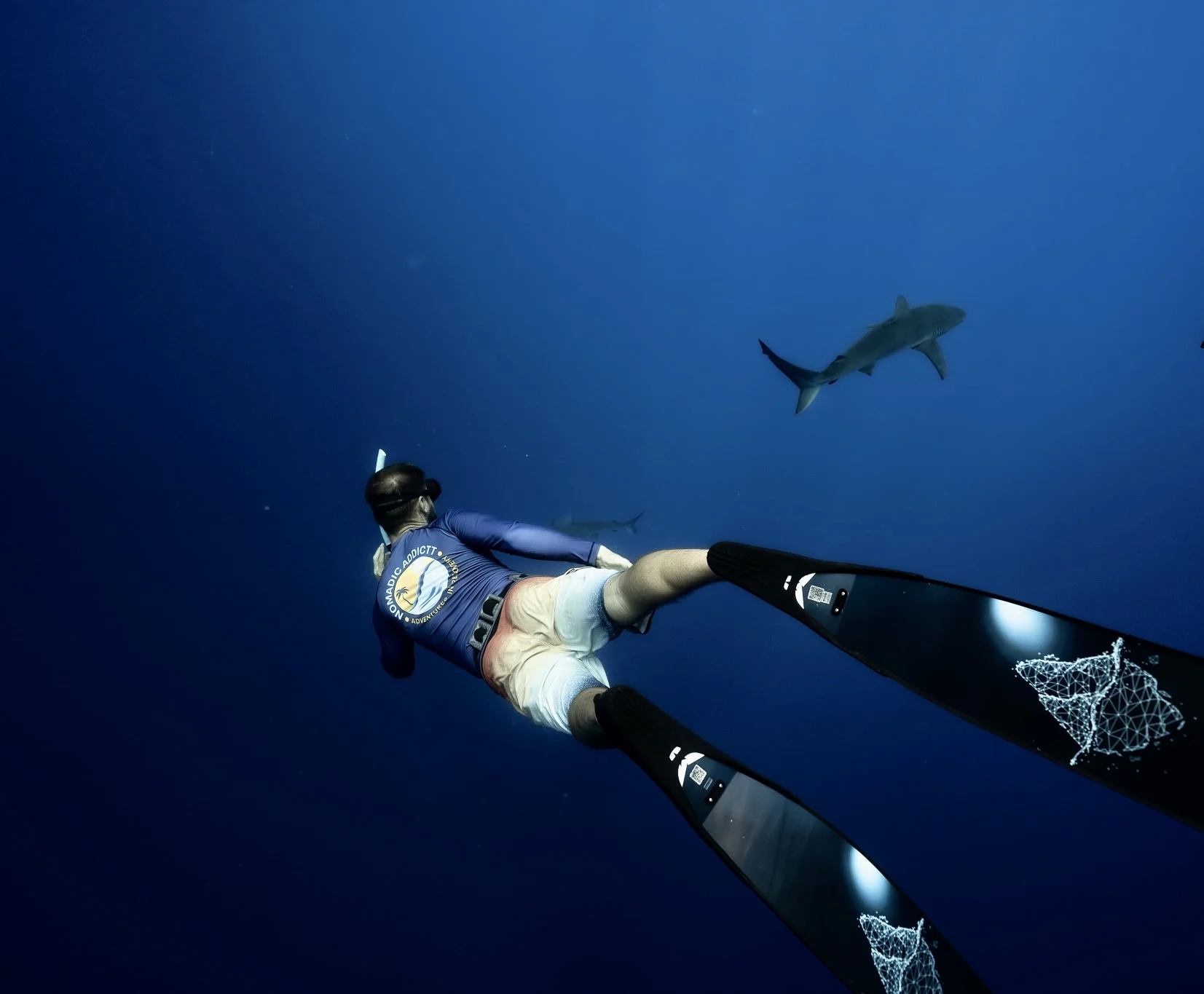
We were the first boat in the water that morning. Our captain, one of the most respected local captains in the area, had positioned us perfectly. The bait brought a silky shark in close, and the encounter was everything it should have been: calm, respectful, present. Just a handful of us in the water, maintaining eye contact, staying at the shark's level, letting it set the pace.
Then the other boats arrived.
Once they saw we were stopped, five boats descended on our position. Within minutes, over thirty people were in the water, all diving on one single shark. From every angle. Nobody was maintaining eye contact. People were diving down on all sides of the shark and from all angles, which goes against everything I've ever learned about shark behavior. Sharks understand hierarchy. When you dive below a shark, you're communicating that you're beneath it. When you dive down on top of one, you're challenging it in ways most people don't understand, or at the very least, lining up to spook it, which might get rid of the animal altogether, thereby ending the encounter, which is what you're there for.
At one point, somebody literally dove on top of me, kicked over me, and then dove down toward the shark to try to get closer. It was chaos.
That silky shark, for the record, had every reason to bite a human that day. With thirty people harassing it from all directions, it showed more restraint than any of us deserved. If there was ever an ambassador for sharks, for why these animals are not the mindless predators we've been taught to fear, it was that shark. It chose peace when chaos was the only thing being offered.
Sleeping Sea Lions and the Content Chase
The sharks weren't the only ones getting harassed.
Earlier that day, there was another group that was so caught up in the moment and the photos that they were wading in the middle of sleeping sea lions that were floating peacefully in the water. Instead of giving them the space they needed and just observing them, which is the whole point of an animal interaction, just enjoying the time with the animals, they waded right underneath them to get a shot. They came up and hit the sea lions, woke them up, spooked them, and forced them to have to swim away. They're lucky they didn't get bit.
It raised a question I keep coming back to: what are we actually here for?
Fame or Experience?
I want to be careful here. I'm not trying to be holier than thou. I'm the first to acknowledge that I'm also here paying to be in this situation. I'm also seeking adventure and incredible captures as best as I can. I'm on an ocean safari in Mexico. I have a camera. I want photos too.
But there's a difference between documenting an experience and manufacturing one at the expense of the animal.
It's fine to get good photos. It's fine to be an influencer and to influence people. The question is, how are you influencing them? Are you encouraging your audience to find good tours, respect the animals, and do their best to coexist with wildlife? Or are you just there for the shot?
If you believe in the magic of these animal encounters, if you believe the universe brings you what it's meant to bring you in the way it's meant to bring it, then you don't have to chase after animals to get a photo. You don't have to kick over people to be in every possible shot. You don't have to harass a sleeping sea lion to make it perform for your Instagram.
The ocean gives us everything but promises us nothing. It's our playground, not our property. And the privilege of being in the water with these animals is exactly that: a privilege.
What's Already Changing
The good news is that some things are shifting. In June 2025, Mexico passed one of the world's most comprehensive bans on marine mammal captivity for entertainment. No more dolphin shows. No more breeding dolphins in concrete tanks. Roughly 350 captive dolphins will be relocated to sea pens. Mexico joins a growing list of countries, including Canada and France, that are phasing out this kind of exploitation entirely.
Advocates like Mariel Bravo, co-owner of Baja Underwater Expeditions, have been pushing for exactly this kind of legislation for years. She's one of the largest advocates in Mexico for ending animal captivity, and it's paying off.
We're also seeing changes in how certain wild encounters are managed. Orca behavior, for example, is already shifting in areas where too many boats and too many people have been crowding them. They're not showing up as close. They're not showing up as often. Regulations are being introduced, but only time will tell if they're enough.
How to Be Part of the Solution
I'm not here to tell you not to do wildlife tours. I'm here to encourage you to do them well. A few things worth considering:
Vet your operator. Ask how long they've been doing this. Ask what animals they work with and how they handle encounters. Are the guides in the water with you? Do they have safety protocols? Do they genuinely love what they do, or are they just filling boats? These ocean safaris, sometimes called sea-faris, are freediving and open-water snorkeling expeditions, not scuba trips. You're out there tankless, on breath holds, face to face with the animal. That intimacy makes respect even more important.
The company I'm with right now didn't even ask for payment until after the tour. The owners were there to greet me personally. The captain shows up every single day with a smile on his face, makes fresh ceviche for everyone, offers me his homemade breakfast burritos, and wants to talk about the animals. He knows every animal's spots, recognizes them right away, and does this all day, every day, because he loves it. That's the kind of operator who cares more about the work than the money.
Let the animal come to you. The best encounters I've ever had, tiger sharks, whale sharks, pilot whales, humpbacks, happened when I stopped chasing and started being present. The animal decides. Not you.
Ask yourself the hard question. If the shot means harassing the animal, is it worth it? If getting closer means disturbing an entire colony of resting sea lions, is the content really that important?
Support conservation-minded businesses. Put your money where your values are. Choose operators who are actively involved in protecting the ecosystems they profit from.
The Ocean Is Not Our Property
I think about this a lot as a sober traveler. Sobriety taught me to be present. To stop chasing the next high and start appreciating what's actually in front of me. That same principle applies in the water.
Years ago, swimming with whale sharks off Isla Mujeres was one of the greatest experiences of my life. It's what got me into all of this. But even that experience taught me that if it's not done correctly, you really can be harassing the animals. They can get hit by propellers. They can get kicked by people. It can turn into a disaster.
Our whole livelihood is attached to the ocean, the greatest ecosystem on the planet. It's not just about ocean conservation, it's about conservation on the planet. The way we treat the water, the way we treat the wildlife, the way we treat each other when we're out there on these expeditions. It all matters.
The ocean owes us nothing. The animals owe us nothing. The fact that we get to share space with them at all is the gift. Let's start treating it like one.
Currently on a 19-day ocean safari in Mexico with [Baja Underwater Expeditions](https://bajaunderwaterexpeditions.com/). If you're looking for an ethical, passionate, conservation-minded operator in Baja California Sur, I can't recommend them enough.
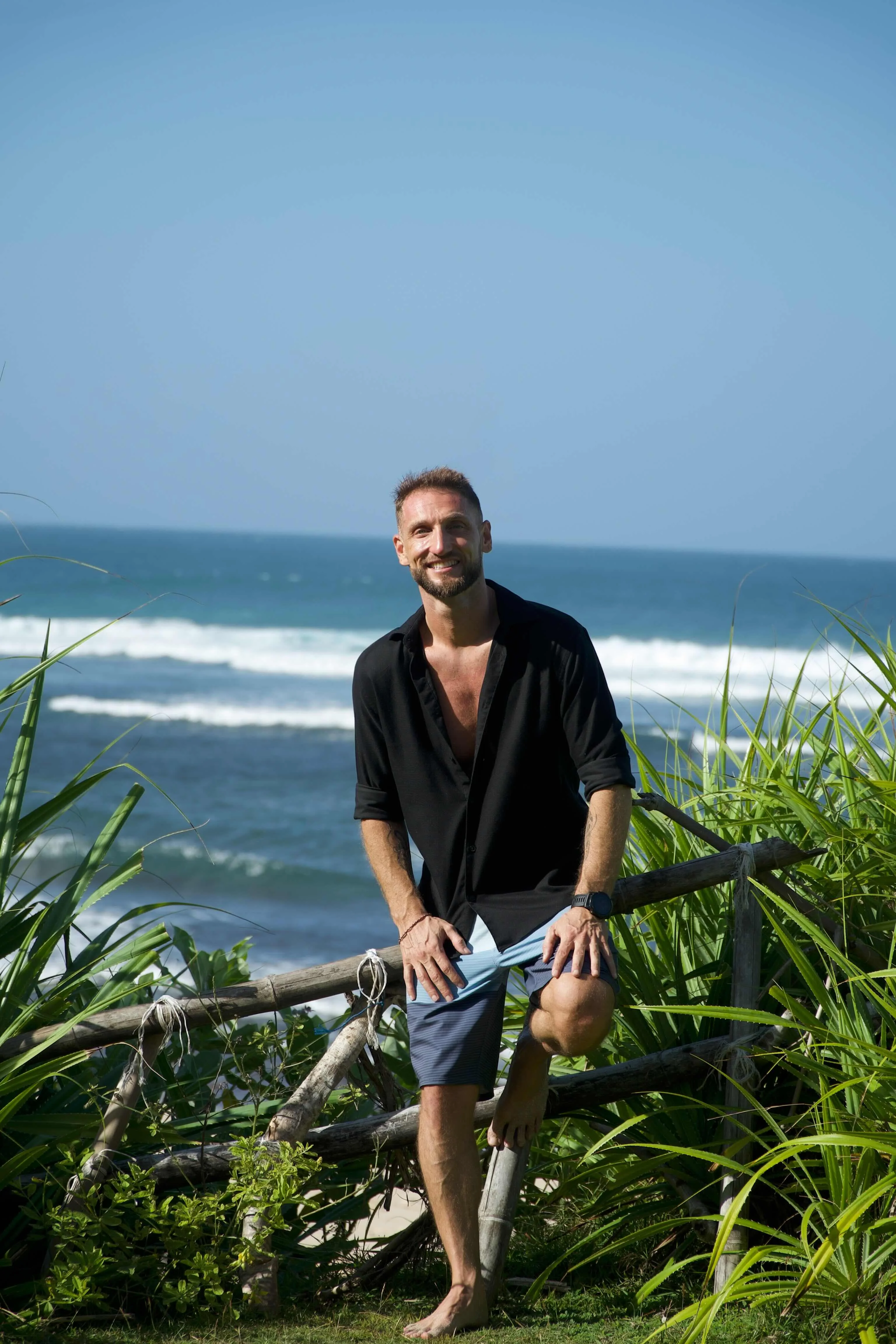
If you're navigating travel, sobriety, or both, I work as a clinical coach and sober companion for people building lives they don't need to escape from. Reach out if you want to talk.
Whether you are looking for a sober companion, clinical coaching, or a custom sober retreat, I am here. Learn more at nomadicaddictt.com/services or start the conversation.