International travel in early recovery sounds risky. It doesn't have to be. Here's how to navigate airports, foreign cultures, and your own mind while staying grounded.
I got sober at 21. By 23, I was on a plane to my first solo international trip. People thought I was crazy. Friends in recovery told me it was too soon, that I should "get my foundation solid" before doing anything that adventurous. And honestly, they weren't entirely wrong to be cautious. International travel in early sobriety is not something to take lightly. But it's also not something to avoid out of fear.
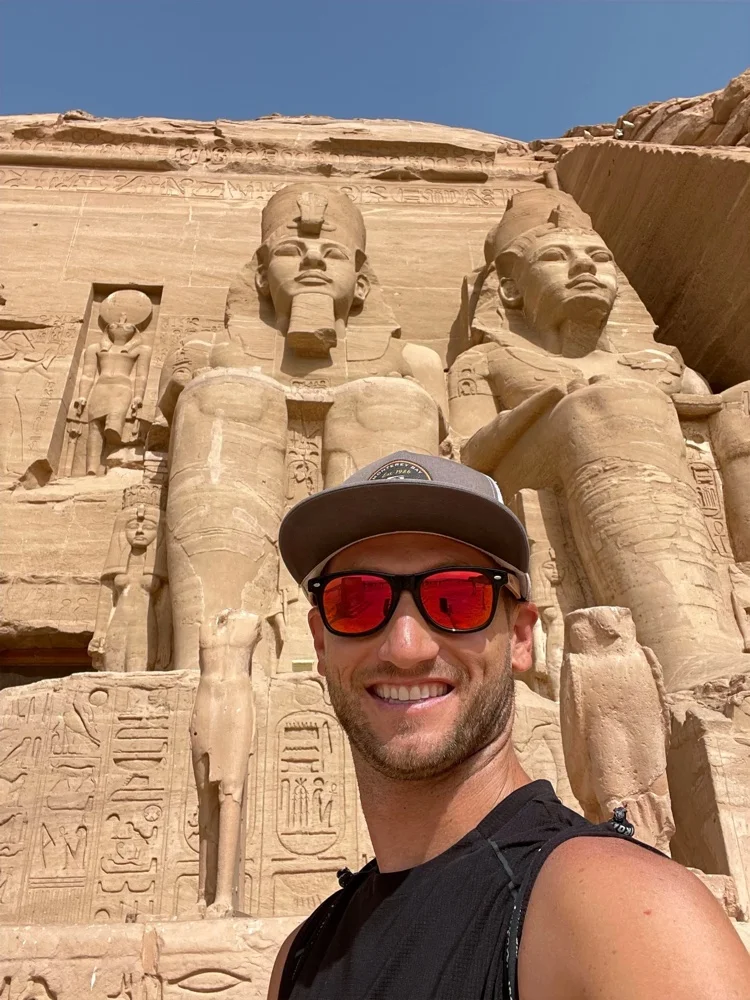
I've now traveled to over 50 countries sober. I've navigated airports where every lounge serves free champagne, cities where the culture revolves around drinking, and long-haul flights where boredom and discomfort whisper that one little drink wouldn't hurt. I'm still here. Still sober. And I've learned a few things along the way that I want to share with you.
Know Your Why Before You Book
This is the most important thing I can tell you. If you're traveling to escape, you're in trouble before you leave. Travel amplifies whatever you're already carrying. If you're running from something at home, that thing is coming with you. It'll sit in the seat next to you on the plane and follow you into the most beautiful sunset you've ever seen.
But if you're traveling because you want to grow, because you want to prove to yourself that sobriety opens doors instead of closing them, that's a different story. Travel for me has broadened my horizons, expanded things beyond whatever I thought was possible, and humbled me to the greatest degree. Seeing how people live around the world and not just in America, not just in the areas and spaces that I grew up in and that were familiar to me.
The key question: are you moving toward something or away from something?
Build Your Support Before You Leave
It's important to make sure you have access to resources in case you find yourself in need while you're traveling. SAMHSA's National Helpline is a free resource worth bookmarking before any trip. You can also download a sobriety app and access speakers, which is another fantastic tool. Having one or two close friends or family members that you can check in with, people who aren't going to judge or be upset with you if you have to share what's going on, particularly if you have cravings or desires to pick up while you're traveling, is always a great way to go too. Just be mindful of time zones so you never feel like you're stuck.
Before I travel, I make sure my support system knows where I'm going, how long I'll be gone, and how to reach me. That looks different depending on the trip. Sometimes it's a quick text thread with my closest people. Sometimes it's a more formal check-in plan.
Here's a little pocket trick you can do: write yourself letters beforehand, or record audio notes, so you can listen to them while you're traveling. Speak to yourself from your higher self standpoint. "Hey, I know you might be interested in drinking right now. I know you might be interested in going and finding your favorite drug, but just remember why you're on that trip to India. Just remember why you booked that surf trip to Costa Rica. Just remember why you're on that solo hiking journey and why you don't need these things and what you're actively out there searching for." Something that speaks to you in those moments, coming from you, will touch you in ways nothing else can. This is another little secret you can have in your pocket.
If you're interested in the recovery rooms or a 12-step program, download or access the local meeting list for wherever you're headed and find a clubhouse or meeting location ahead of time. There's always a section in the meetings where they ask if you're a visitor, and that's a great opportunity to raise your hand and introduce yourself. It's one of the best ways to make new friends and have them show you around.
A word of advice here: try to connect with people of the same sex who have a solid amount of time sober. The general consensus in the rooms is that anyone under a year sober of the opposite sex is best left to focus on themselves and their own recovery. That's not the kind of connection you want to seek out when you're traveling sober. Find somebody with multiple years of sobriety, preferably of the same sex, and get to know the area through the friendships you make in the meetings. Some of my best memories traveling have come from exactly that.
If you have a sponsor, tell them. If you have a therapist, schedule a session before departure and one shortly after you return. If you don't have that kind of support yet, this is where working with a sober companion can change everything. A companion doesn't just travel with you. They create clinical structure around the entire experience, from the assessment before the trip to the integration after. I wrote about the full companion trip process if you want to know what that looks like in practice.
Navigating Airports and Flights
Let's be practical. Airports are sensory overload. There's alcohol everywhere. Duty-free shops, airport bars, business lounges, the drink cart on the plane itself. Here's what works for me:
Eat before you fly. Hunger makes everything harder. Bring something to listen to, a podcast, music, an audiobook. I'm not a big meditator on planes, but I know people who swear by guided meditation apps for takeoff. Avoid the upgrade to business class if the lounge is your trigger. Save the nice seat for when you've got more time under your belt or bring someone with you who understands.
On long-haul flights, I tell the flight attendant I don't drink. Not a big speech. Just a simple "no alcohol, thanks." It removes the decision from the equation every time the cart comes by.
Cultural Drinking Norms
This is the one that catches people off guard. In many countries, drinking is deeply woven into social life. In Japan, refusing a drink can feel socially awkward. In parts of Europe, wine with dinner is assumed. In Southeast Asia, cheap drinks flow freely in tourist areas.
You don't have to explain your entire recovery story to a stranger in a foreign country. "I don't drink" is a complete sentence. "I have an allergy" works everywhere and nobody pushes further, usually. The truth is, most people care far less about your drinking habits than you think they do.
I've navigated this across 50+ countries and written about the art of traveling sober in detail. The short version: confidence in your decision is your best travel tool.
Be Mindful of Distractions
This one doesn't get talked about enough. Be careful with dating apps while traveling in early sobriety. It can feel exciting to swipe through a new city, but traveling sober already makes you more vulnerable, and a "let's just grab a drink" first date scenario can put you right back in the danger zone before you even realize what happened. The opposite sex can be very triggering, and first dates can be anxiety-provoking, especially in an unfamiliar environment.
I'm not saying you can't have fun. Obviously, do what you want to do. But in early recovery, even the first couple of years, you may not have the foundation to navigate those situations safely. If you're going on a trip to seek out flings or dating app connections, I'd encourage you to ask yourself honestly whether that's pulling you away from the purpose of the trip.
A fun hiking buddy or a cold plunge partner is always great. But anyone who wants to go for drinks or hit the late-night clubs is their own call, and in the early sober days that can be a huge trigger and a real potential for relapse. I've seen it happen more while traveling than almost anywhere else.
This gets into my broader philosophy around mindful and conscious connection, which is really what Love Unlocked is all about. The deeper work is about establishing a real, authentic relationship with yourself first. These trips are an opportunity for that. Don't trade it for a distraction.
When to Bring a Sober Companion
There's no shame in traveling with support. I work with clients who have years of sobriety and still choose to bring me along for high-stakes trips, family events abroad, business travel in triggering environments, or adventure experiences where they want to go deeper than they could alone.
If you're in early sobriety (under two years), I'd strongly recommend not doing your first international trip alone. That doesn't mean you need a sober companion necessarily, a trusted sober friend works too. But having someone in your corner who gets it, who can read the room when you're struggling and step in without making a scene, that's invaluable. I break down the different types of sober support and when each one makes sense in a separate post.
The Reward
Here's what I want you to hear. Sober travel is not a watered-down version of the real thing. It's the real thing, actually experienced. The sunrise over Abu Simbel. The sound of a volcano breathing. The feeling of surfing a perfect wave with a completely clear mind. These are not experiences that would be improved by alcohol. They'd be dulled by it, or more than likely, they wouldn't even exist because you'd be more focused on the drinking or the drugging than the experience you're having in the moment. Take a second to celebrate stepping away from that.
Sobriety doesn't limit your world. It expands it. I've built my entire life around that truth. You can explore more of what that looks like at Nomadic Addictt, and if the deeper work around identity and self-acceptance is calling to you, my book Love Unlocked goes there. More at loveunlocked.com.

Planning your first international sober trip, or want a sober companion to travel with you?
I've been where you are. Let's talk about what's possible. Learn more at Nomadic Addictt or email me directly. Explore my full range of work at zacspowart.com.