Isolation on the road can quietly become a relapse risk. Here's how real connection with the people I love keeps me grounded in sobriety.
There's a moment that happens somewhere around week three of a long trip. The novelty has worn off. The time zones have scrambled your sense of self. And the people back home have moved on with their lives, because, well, they have lives. You're sitting alone in a beautiful place, and something quiet starts to creep in. Not boredom exactly. More like a low hum of disconnection.
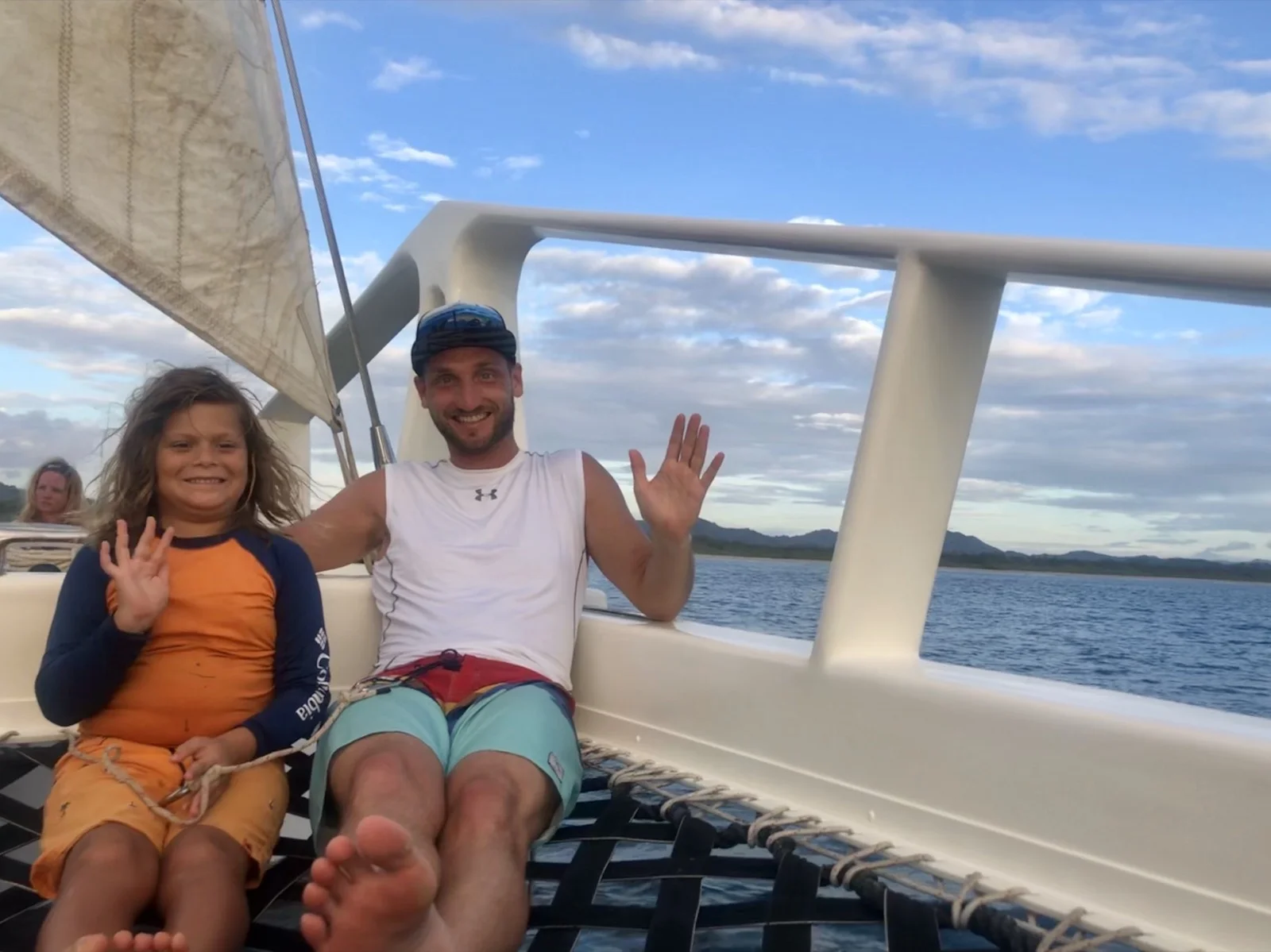
I know that feeling well. After 19 years sober and travel across 50+ countries, I've learned that feeling is one of the most underrated relapse risks nobody talks about.
Isolation Doesn't Announce Itself
Here's the thing about isolation on the road. It doesn't show up wearing a warning label. It shows up as freedom. It shows up as independence. It shows up as not wanting to be a burden, or convincing yourself you're fine because the view is incredible and your Instagram looks amazing.
But underneath all of that, the nervous system doesn't care about the view. It's tracking one thing: am I connected to people who know me and love me? When the answer becomes a quiet no, that's when the old stories start whispering. That's when the brain starts looking for something to fill the gap.
For those of us in sobriety, that gap used to be filled with substances. We know this. What we sometimes forget is that the gap itself, that feeling of disconnection and emotional aloneness, is what we need to address. Not just in our home environments, but especially on the road.
Travel strips away your routines, your community, your familiar anchors. That can be incredibly liberating. It can also quietly hollow you out if you let connection slide.
What Real Connection Actually Looks Like on the Road
I'm not talking about a quick text that says "made it safe, hotel is great." I'm talking about real communication. The kind where someone actually knows what's going on inside you, not just where your body is located on a map.
For me, this looks like a few specific practices that I've built into my travel rhythm over the years.
First, scheduled calls. Not "let's catch up soon" energy. Actual dates on the calendar. My people know when to expect me. I know when to expect them. It creates a thread of continuity that stretches across time zones and keeps me tethered to something real.
Second, honesty about what I'm experiencing. This one matters more than people realize. It's easy to perform the highlight reel version of travel for the people back home. It feels simpler. Less vulnerable. But when I only share the good parts, I'm not actually connecting. I'm broadcasting. There's a difference. Real connection requires me to say, "Actually, today was strange. I felt lonely. Here's what came up for me." That's the conversation that feeds the soul.
Third, I don't skip my recovery touchpoints. Whether that's a call with my sponsor, a virtual meeting, or a check-in with someone who understands the sobriety journey, those anchors travel with me. At Nomadic Addictt, so much of what I help people build is a sober life that's truly portable, not one that only works when you're surrounded by your home structure.
The People Who Hold You Matter More Than the Destination
I've swum with whales in Tonga. I've freedived in crystal water and logged 350+ scuba dives in some of the most remote places on earth. Those experiences are extraordinary. I wouldn't trade them.
But I can tell you honestly, the moments I feel most alive and most grounded aren't the peak experiences. They're the call with someone I love after a long travel day. They're the message from a friend who says, "I was thinking about you today." They're the moments of being truly known by another human being, across distance, across time zones, across whatever geography separates us.
Sobriety taught me that connection is not optional. It's not a nice-to-have. It is the thing. Everything else, the travel, the freedom, the adventure, it becomes richer and more meaningful when it's shared in some way. Even if "shared" just means a voice note to someone you trust.
If you're curious about the deeper work around connection, identity, and conscious relating that informs how I coach and travel, there's more on all of that over at zacspowart.com.
Simple Practices That Actually Work
You don't need a complicated system. You need a consistent one. Here's what keeps me grounded:
Schedule it. Put your connection calls in the calendar the same way you'd book a flight. Non-negotiable.
Be honest, not just present. Show up to those conversations with something real. Skip the performance. Say what's actually true.
Notice the drift early. If you've gone more than a few days without a real conversation with someone who knows you, that's information. Don't wait until you're in the hole.
Use the tools available. Voice notes, video calls, even old-fashioned letters if that's your thing. Distance is not the enemy. Silence is.
Bring your recovery with you. Meetings exist online. Sponsors have phones. Your sobriety community doesn't have to stay home when you leave.
The road will ask a lot of you. It will pull you toward solitude and self-reliance in ways that can feel noble but can also quietly erode you if you're not paying attention. Staying connected is not weakness. It's not neediness. It's one of the most mature and self-aware things you can do for your mental wellness and your sobriety.
So here's the question I want to leave you with: When was the last time someone who loves you actually knew how you were doing inside, not just where in the world you were located?
If you can't answer that quickly, that's probably your answer.

Interested in 1:1 sober coaching, sober companionship, or custom tailored sober retreats?
Whether you are navigating early sobriety, planning your first sober trip, or looking for someone to walk alongside you, I am here. Learn more at Nomadic Addictt or start the conversation.